

Advanced Alarm Systems in Parkersburg WV: Securing the Network Behind Them
October 1st, 2026
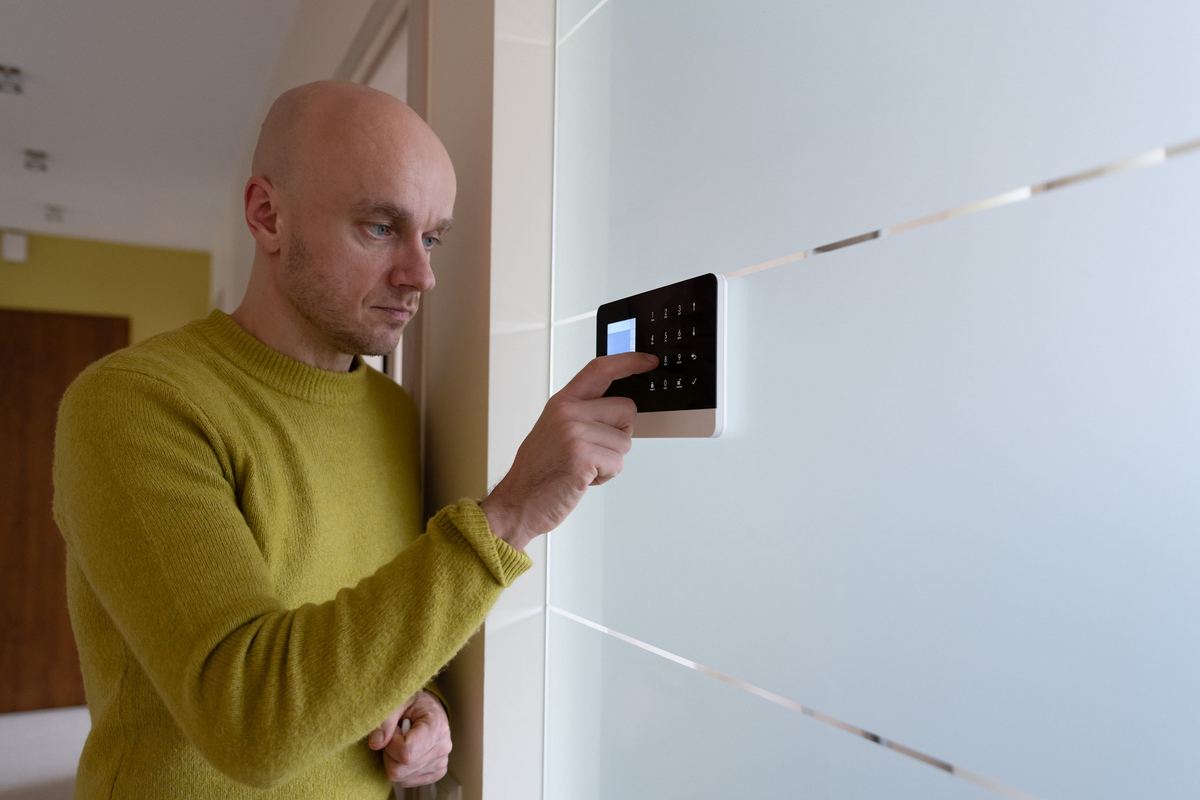
The Alarm System Nobody Thinks of as a Computer
A commercial alarm system used to be a closed loop. A control panel, a keypad by the back door, a phone line, and a monitoring contract. Nothing on that system talked to anything else, and nothing outside could reach it.
That is no longer how these systems are built. Today's alarm panels report over your internet connection. Cameras stream to a recorder that sits on your network. Access control readers pull credential data from a server. Environmental sensors, door contacts, and connected thermostats all share the same infrastructure that carries your email, your accounting files, and your customer records.
That shift bought businesses genuine capability. Remote arming, video verification, mobile alerts, detailed entry logs, and the ability to check a facility in Marietta from an office in Parkersburg. It also turned every one of those devices into a computer with a login, aging firmware, and network services that can be reached from somewhere you have never been.
Most business owners never get told that part.
What Actually Sits on the Network
When we assess a facility, the security devices are rarely a single box. A typical installation includes:
- The alarm panel itself, now an IP device with a web interface, a mobile app connection, and an installer code
- A network video recorder, which is a small server with a real operating system underneath
- IP cameras, each with its own firmware, its own login, and its own listening services
- Access control readers and controllers, holding credential data and door schedules
- Environmental and life safety sensors, increasingly networked rather than hardwired to a panel
Every item on that list has a manufacturer, a firmware version, a default password, and a support lifecycle that ends on a date nobody writes down. That is the definition of an unmanaged endpoint, and it is exactly what your managed IT services provider spends their day securing on the server side of the building.
Why Anyone Would Care About Your Cameras
The instinct is to assume nobody wants to break into a camera. There is nothing to steal. That assumption misses three things.
Cameras are useful computing power. Compromised recorders and cameras get recruited into botnets by the thousand, because they are always on, rarely patched, and almost never monitored for outbound traffic.
Cameras are reconnaissance. Anyone who reaches your video system learns your floor plan, where cash is handled, which doors stay propped, what time the last manager leaves, and where the safe is mounted. That is a walkthrough of your building without ever entering it.
Cameras are a doorway to everything else. On a flat network with no separation, a device in the camera closet can reach the file server in the back office. The camera is not the target. It is the way in.
The combination is what makes this worth attention. A digital intruder uses your own security system to learn your physical routine, then arrives as a physical problem. Nothing on the alarm side ever flags it, because no sensor was ever tripped.
The Three Weaknesses We Find Most Often
Default and Shared Credentials
Manufacturer default logins left in place. One password reused across every camera in the building. The original installer code still active years after the install, known to technicians who no longer work for that company. Any one of these hands over the system to anyone who finds it.
Firmware Nobody Owns
Security devices are bought once and forgotten. Firmware updates ship for a few years and then stop. When a device reaches end of life, published vulnerabilities are never fixed, and nothing in the building tells you a device has become permanently exposed.
Everything on One Flat Network
Cameras, panels, workstations, point-of-sale terminals, and servers all sharing one network with no separation. Remote viewing handled by forwarding a port from the internet directly to a recorder, which puts a login prompt for your video system on the public internet.
What a Properly Secured Installation Looks Like
None of this requires exotic technology. It requires someone to own the problem. In practice, a modern advanced alarm system in Parkersburg WV should be built with these five things in place:
- Network separation, keeping security devices on their own segment so a compromised camera cannot reach business data
- No direct internet exposure, with remote viewing through an encrypted tunnel or a vendor cloud with multi-factor authentication, never an open port
- Unique credentials per device, changed at handover, with the installer code replaced as a matter of routine
- A firmware and lifecycle schedule: who updates what, and a plan for replacing devices when updates stop
- Logging and review, keeping a record of who signed into the system and when, so an intrusion leaves evidence
Notice how little of that is about alarms. Four of the five items are ordinary network hygiene applied to equipment that never used to need it.
One Provider, Both Sides of the Problem
Here is where most businesses get stuck. The alarm company says the issue is a network problem. The IT company says the camera is not their device. The camera installer says they only ran the cable. Everyone is technically correct, the gap stays open, and it stays open for years.
We handle both. iTech designs, installs, and monitors alarm, surveillance, and access control systems across the Mid-Ohio Valley, and we manage the networks those systems live on. The camera placement decision and the network segmentation decision get made by the same people, in the same conversation, with one point of accountability when something needs to change.
That matters most at the moment of an incident, because that is when finger-pointing is most expensive.
Network Hardening Does Not Replace Physical Design
Everything above protects the equipment guarding your building. It does not protect the building. A properly segmented camera network will still record a door that was left propped, a keypad mounted where a passerby can read the code, or a back entrance with hardware that anyone can defeat in seconds.
Physical security still comes down to door hardware, key control, and access design: who can enter which space, at what hours, and how quickly that access is revoked when a role changes. Network security and physical security are two halves of the same sentence, and a business that only invests in one is only half protected.
Start With a Look at What You Already Own
Most businesses we assess already have good equipment. The problem is what surrounds it: an unmanaged network, an original installer code, a recorder exposed to the internet, and firmware nobody has touched since the day it was mounted.
We can walk your facility, document every security device on your network, and tell you plainly what is exposed and what it would take to close. If you operate multiple locations, the same conversation covers centralizing that visibility instead of checking each site separately.
Your alarm system is doing more for your business than it ever has. It deserves to be secured as carefully as the network it depends on. Contact us today to schedule an assessment.
Posted in: Security Systems